
Introduction
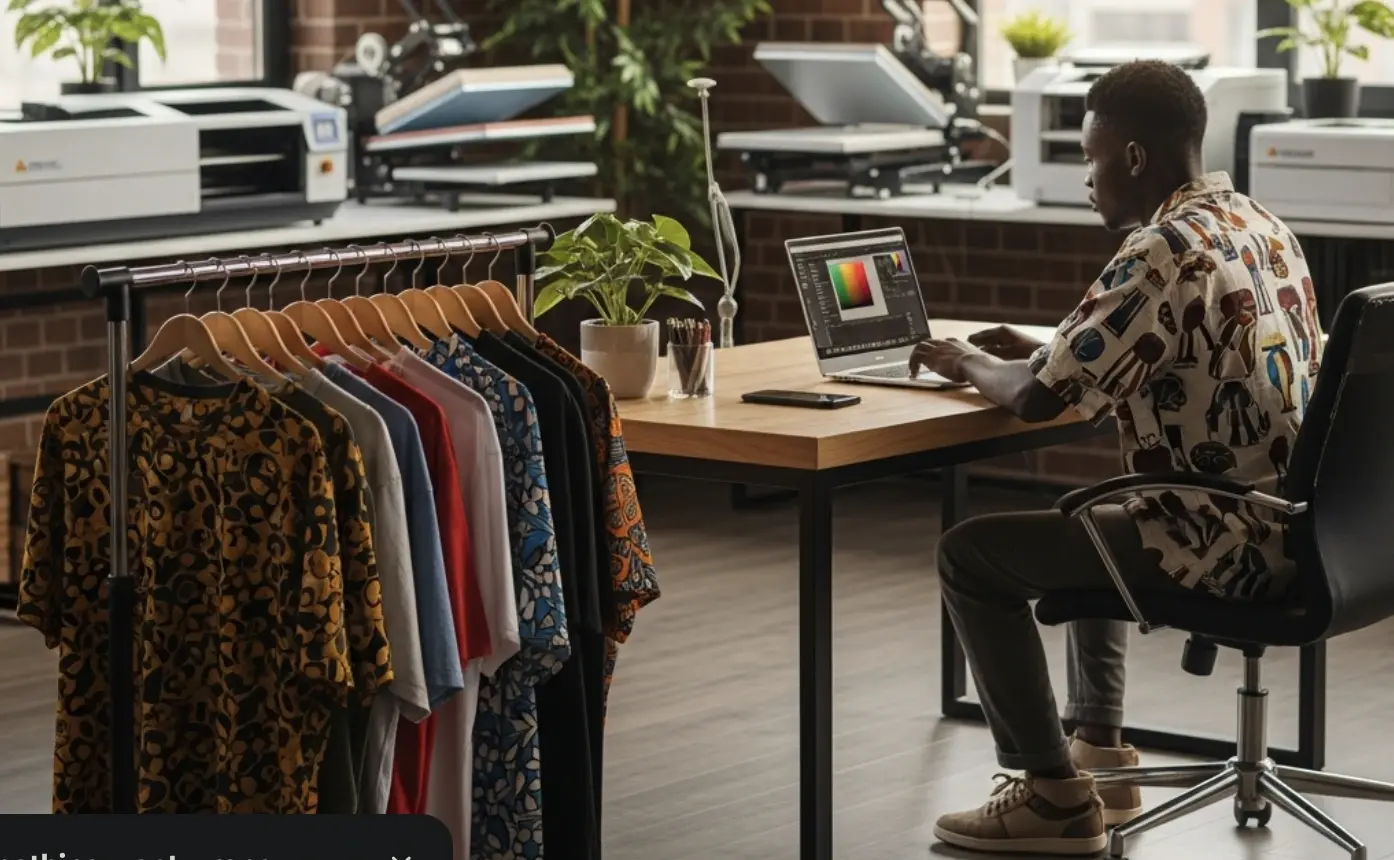
A few years ago, starting a clothing brand in Nigeria was expensive, risky, and difficult for most people.
You needed money for bulk printing, inventory, packaging, shop rent, delivery logistics, and marketing before even getting your first customer. Many small fashion brands ended up with piles of unsold shirts and lost money trying to predict what customers would buy.
Today, things are changing fast.
Print-on-demand is making it possible for almost anyone to start an online clothing brand with little or no upfront inventory.
Instead of printing hundreds of products before making sales, products are only printed after a customer places an order. This means creators no longer need warehouses, expensive printing equipment, or large startup capital to launch a brand.
With just a phone, internet connection, and a good design idea, students, creators, designers, influencers, and entrepreneurs can now build online fashion brands directly from their homes.
Social media platforms like Instagram, TikTok, WhatsApp, and X have also made it easier to market products online and reach customers across Nigeria.
Platforms like Osiomax are helping creators launch brands faster by allowing them to upload designs, generate realistic product mockups, and sell custom products without keeping inventory.

What Is Print-on-Demand?
Print-on-demand, often called POD, is a business model where products are only printed after a customer places an order.
Instead of producing 100 shirts upfront and hoping customers eventually buy them, you first create your design digitally and upload it to a print-on-demand platform.
When someone buys the product:
- the item is printed,
- packaged,
- and delivered to the customer.
This removes one of the biggest problems many small businesses face in Nigeria: buying inventory before getting customers.
With print-on-demand, you do not need:
- a warehouse,
- expensive printing machines,
- bulk inventory,
- or massive startup capital.
You can start with:
- a design idea,
- a smartphone or laptop,
- and internet access.
The fulfillment company handles production and shipping while you focus on creating designs, promoting products, and growing your audience.
This is why print-on-demand has become popular among:
- students,
- fashion startups,
- creators,
- influencers,
- artists,
- online entrepreneurs,
- and side hustlers.

Why Print-on-Demand Is Growing Fast in Nigeria
Nigeria’s business landscape is changing quickly.
More young Nigerians now want flexible online businesses they can run from home without needing millions of naira to start.
At the same time:
- online shopping is increasing,
- social media marketing is becoming easier,
- and creators now have direct access to customers online.
Years ago, starting a clothing brand required renting shops, printing inventory in bulk, and taking huge financial risks.
Now, a creator can:
- create designs online,
- post products on TikTok or Instagram,
- receive orders,
- and fulfill products without touching inventory.
The rise of Nigerian creator culture is also helping print-on-demand grow.
Designs inspired by:
- Nigerian slang,
- Afrobeats,
- football culture,
- memes,
- local humor,
- and African fashion aesthetics
are becoming highly shareable online.
Many Nigerians are now turning creative ideas into profitable brands without needing traditional fashion infrastructure.
How Print-on-Demand Works Step-by-Step
Step 1: Create a Design
The first step is creating a design people would want to wear or use.
Some creators use:
- Canva,
- Photoshop,
- Illustrator,
- Procreate,
- or AI design tools.
Popular Nigerian-themed designs often include:
- streetwear graphics,
- Afro culture,
- funny phrases,
- music references,
- motivational quotes,
- and minimalist fashion aesthetics.
You do not need to be a professional designer before starting.
Simple designs often perform better than overly complicated artwork.

Step 2: Upload Your Design to a POD Platform
After creating the design, you upload it to a print-on-demand platform like Osiomax.
The platform connects your design to products such as:
- t-shirts,
- hoodies,
- mugs,
- phone cases,
- tote bags,
- and wall art.
This removes the need to source products manually or manage production yourself.

Step 3: Generate Professional Mockups
Mockups help customers visualize what the product will look like before it is printed.
High-quality mockups can make a small brand look professional and trustworthy.
Many successful POD brands use:
- realistic lifestyle mockups,
- studio mockups,
- and social media-ready product visuals.
This is one reason free mockup tools are becoming important for creators.

Step 4: Promote Products Online
Once products are ready, creators promote them online.
Most Nigerian POD brands grow through:
- Instagram Reels,
- TikTok videos,
- WhatsApp Status,
- influencer marketing,
- and community sharing.
Short-form video content is especially powerful because people can quickly see the product in action.

Step 5: Customer Places an Order
When a customer places an order through your store or product page, the order automatically moves into production.
You do not need to manually print or package products yourself.
This allows creators to scale faster while focusing on content, branding, and customer acquisition.
Step 6: Product Gets Printed and Delivered
The fulfillment company handles:
- printing,
- packaging,
- and delivery.
The creator focuses on:
- growing the brand,
- marketing products,
- and building a loyal audience.
This business model reduces operational stress significantly compared to traditional retail.
How Much Does It Cost to Start Print-on-Demand in Nigeria?
One reason POD is becoming popular is because startup costs are relatively low.
You can technically start with:
- a smartphone,
- internet access,
- and design ideas.
Optional costs may include:
- Canva Pro subscription,
- paid advertising,
- domain name,
- ecommerce website,
- or branding assets.
Many creators start by promoting products through free social media channels before investing heavily into ads.
This allows beginners to test ideas with lower financial risk.
Best Products to Sell in Nigeria
Some POD products perform better than others depending on your audience.
Popular products include:
- t-shirts,
- oversized streetwear,
- hoodies,
- mugs,
- tote bags,
- stickers,
- phone cases,
- and wall art.
Nigerian audiences often respond well to:
- relatable humor,
- local slang,
- football culture,
- music-inspired graphics,
- Afro aesthetics,
- and minimalist luxury branding.
Creators who build communities around niche interests usually perform better than brands trying to appeal to everyone.
Common Mistakes Beginners Make
Many beginners fail because they treat print-on-demand like a quick money scheme instead of building a real brand.
Common mistakes include:
- copying designs,
- posting low-quality mockups,
- inconsistent marketing,
- poor branding,
- targeting everyone,
- and expecting instant sales.
Successful POD brands usually focus on:
- consistency,
- niche communities,
- strong visuals,
- and long-term audience building.
How Nigerians Can Successfully Market a POD Brand
Marketing is one of the most important parts of building a successful POD business.
Good designs alone are not enough.
Successful Nigerian brands often use:
- TikTok storytelling,
- Instagram Reels,
- influencer collaborations,
- memes,
- viral trends,
- and relatable content.
WhatsApp marketing is also underrated in Nigeria.
Many creators make sales by:
- posting consistently on WhatsApp Status,
- using customer testimonials,
- and encouraging referrals.
Building a recognizable brand identity is often more important than having hundreds of products.
The Future of Print-on-Demand in Nigeria
As ecommerce continues growing in Nigeria, more creators are expected to launch digital-first brands.
Print-on-demand lowers the barrier to entrepreneurship by allowing people to:
- test ideas quickly,
- build audiences online,
- and start businesses without massive inventory costs.
The combination of:
- social commerce,
- creator culture,
- online payments,
- and local fulfillment
is creating new opportunities for Nigerian entrepreneurs.
Platforms like Osiomax are helping make this transition easier by giving creators tools to design, mock up, and sell products online.
Conclusion
Print-on-demand is changing how Nigerians start clothing brands.
Instead of waiting until they have huge startup capital, creators can now launch products, test ideas, and build communities online with lower financial risk.
For students, artists, creators, influencers, and entrepreneurs, POD offers a practical way to turn creativity into a business.
As more Nigerians shop online and engage with digital content, print-on-demand is likely to become an even bigger part of the country’s ecommerce ecosystem.
If you want to start your own clothing brand without holding inventory, platforms like Osiomax can help you create mockups, upload designs, and begin selling online.
Related Articles
Print on Demand Niches: Why They Matter and How to Choose One That Actually Sells
If you are starting a print-on-demand business, choosing the right print on dema...